“Various tours – city tour, Machu Picchu, Pisac, llama farm, San Blas”
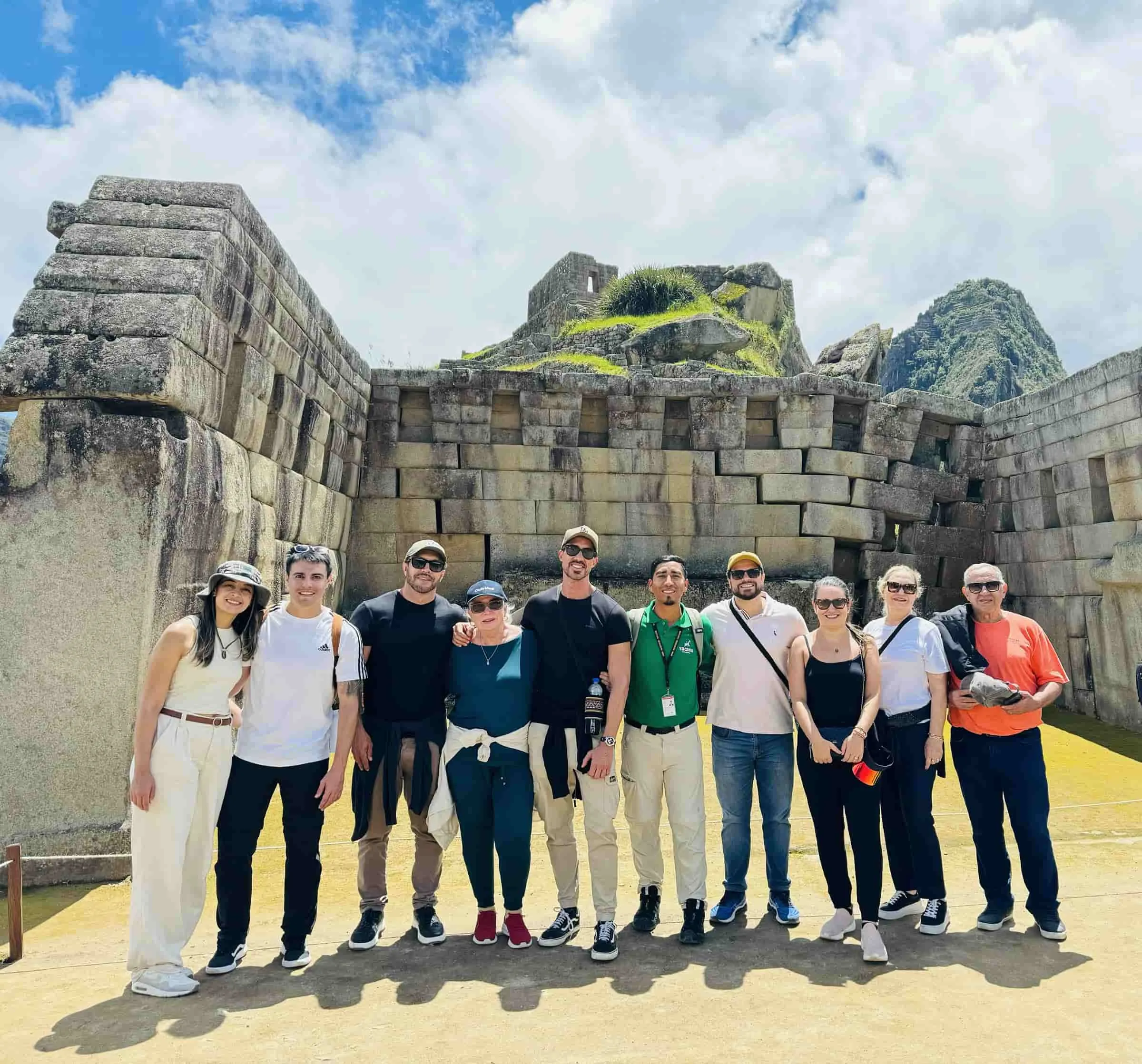
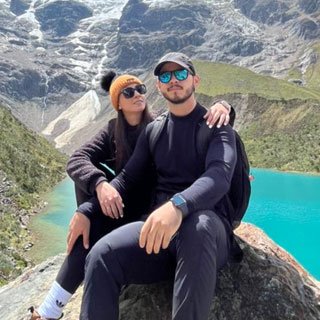
We had great tours with them! Rosa Guide very good and with a lot of information!
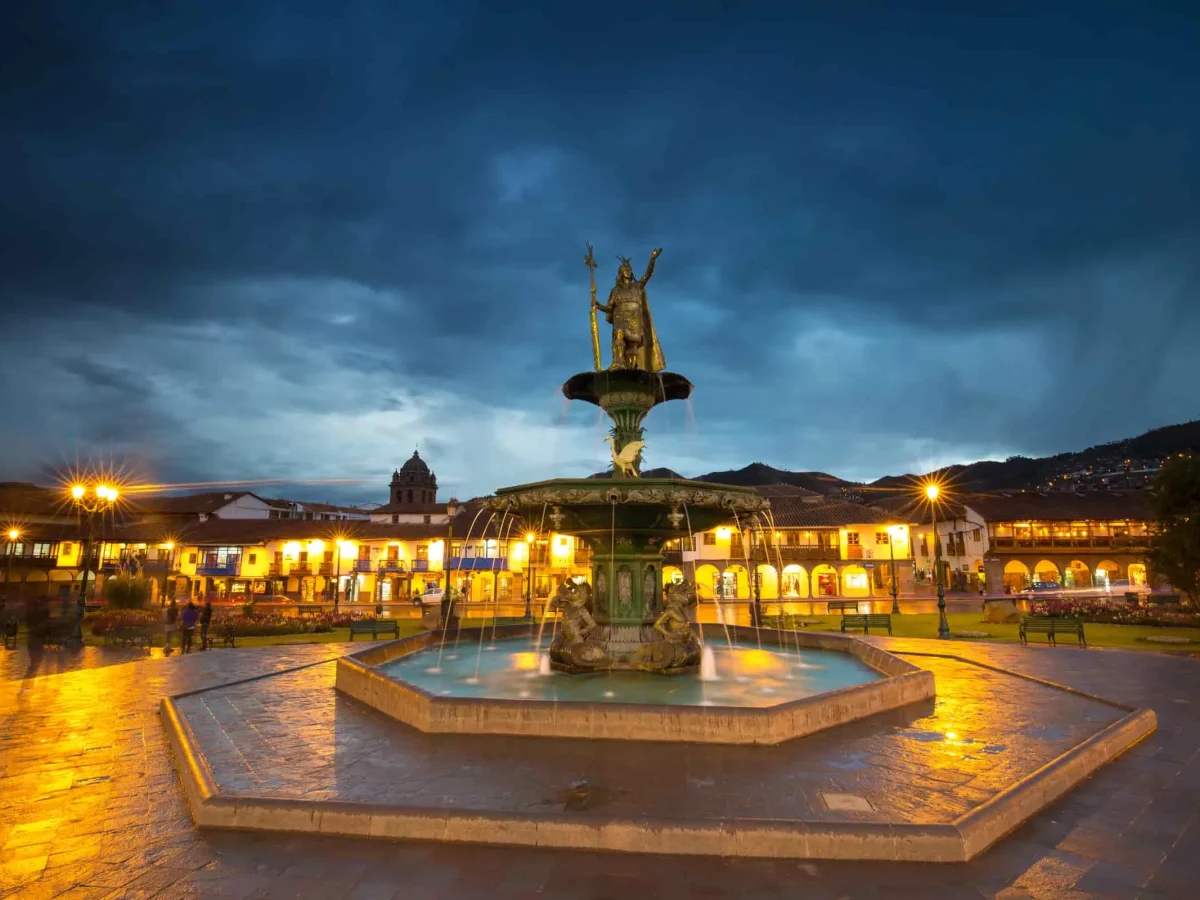
The impressive, natural history of Cusco lives in its streets, plazas and traditional villages. In Choquequirao, Saqsayhuamán, Qenqo, PucaPucara, Tambomachay, Ollantaytambo and Machu Picchu, you can see incredible destinations and spectacular engineering feats in these Inca archaeologica sites. This Inca city was constructed using the ancient knowledge of Peru, in an ecologically natural environment. The Inca´s legacy is still alive today on the Cusco streets with intricate Inca stonework forming the foundations of many colonial buildings. Cusco truly is the birthplace of the world.
Location: The Andean Cordillera of South Peru.
Area: 72,104 km2.

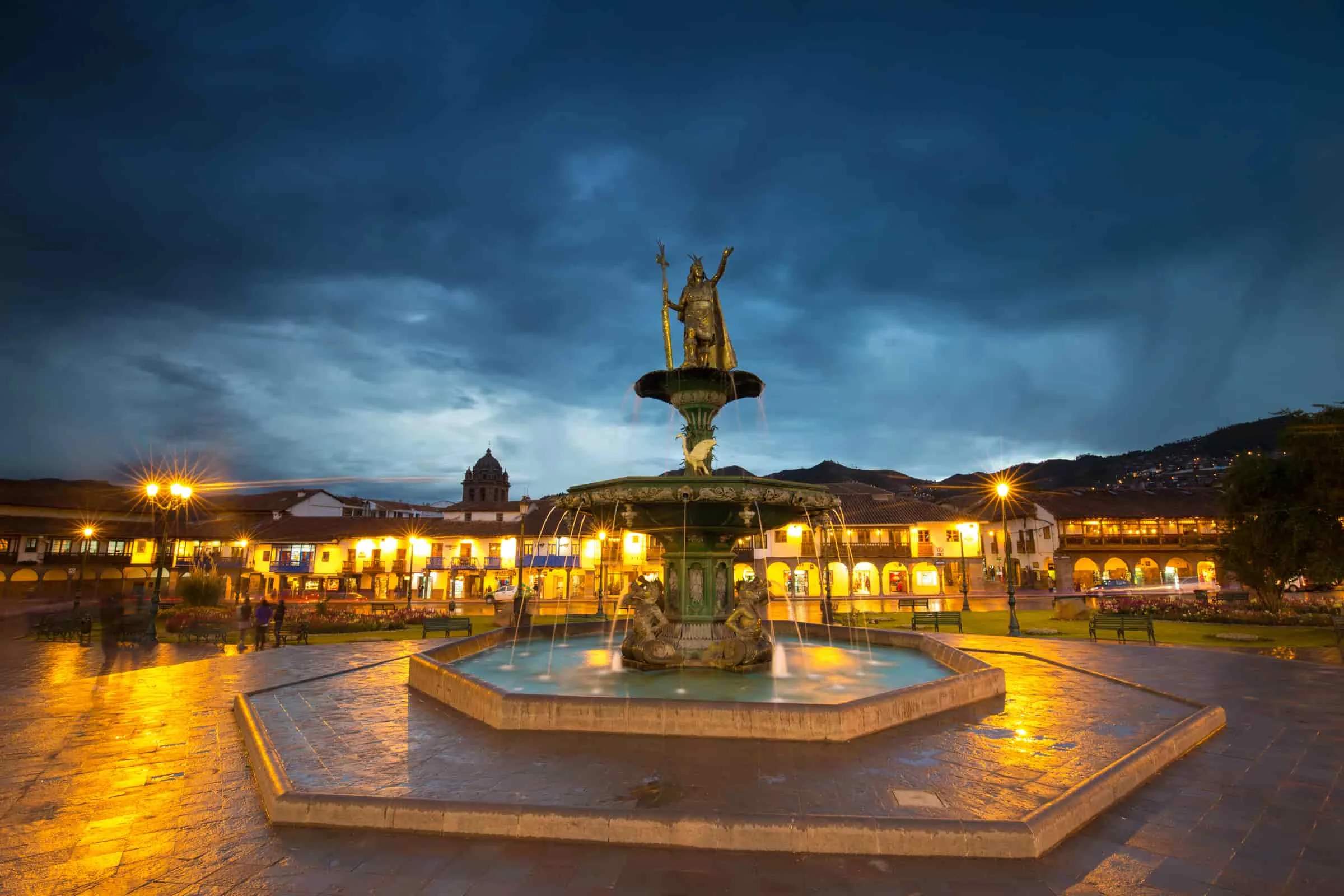
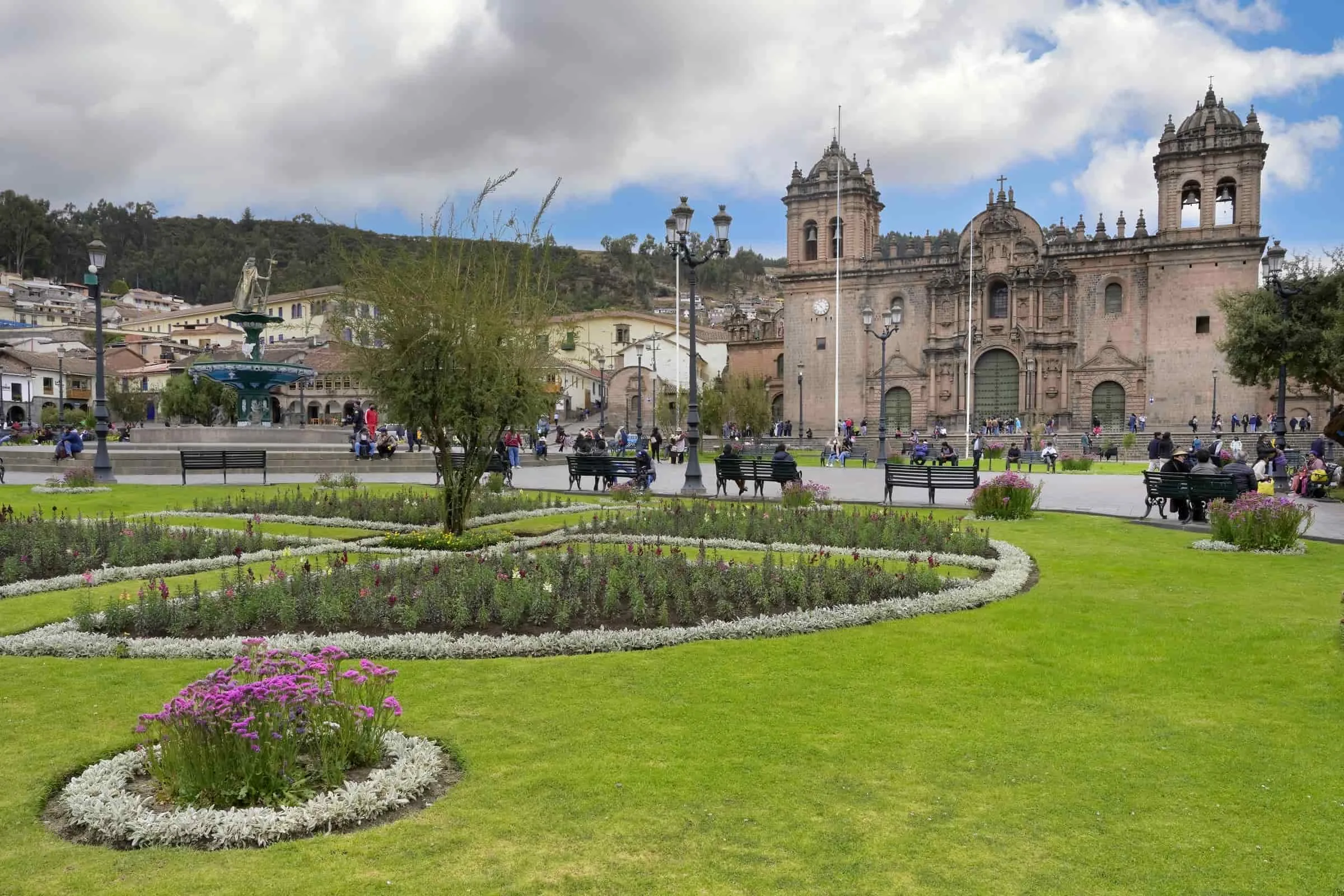
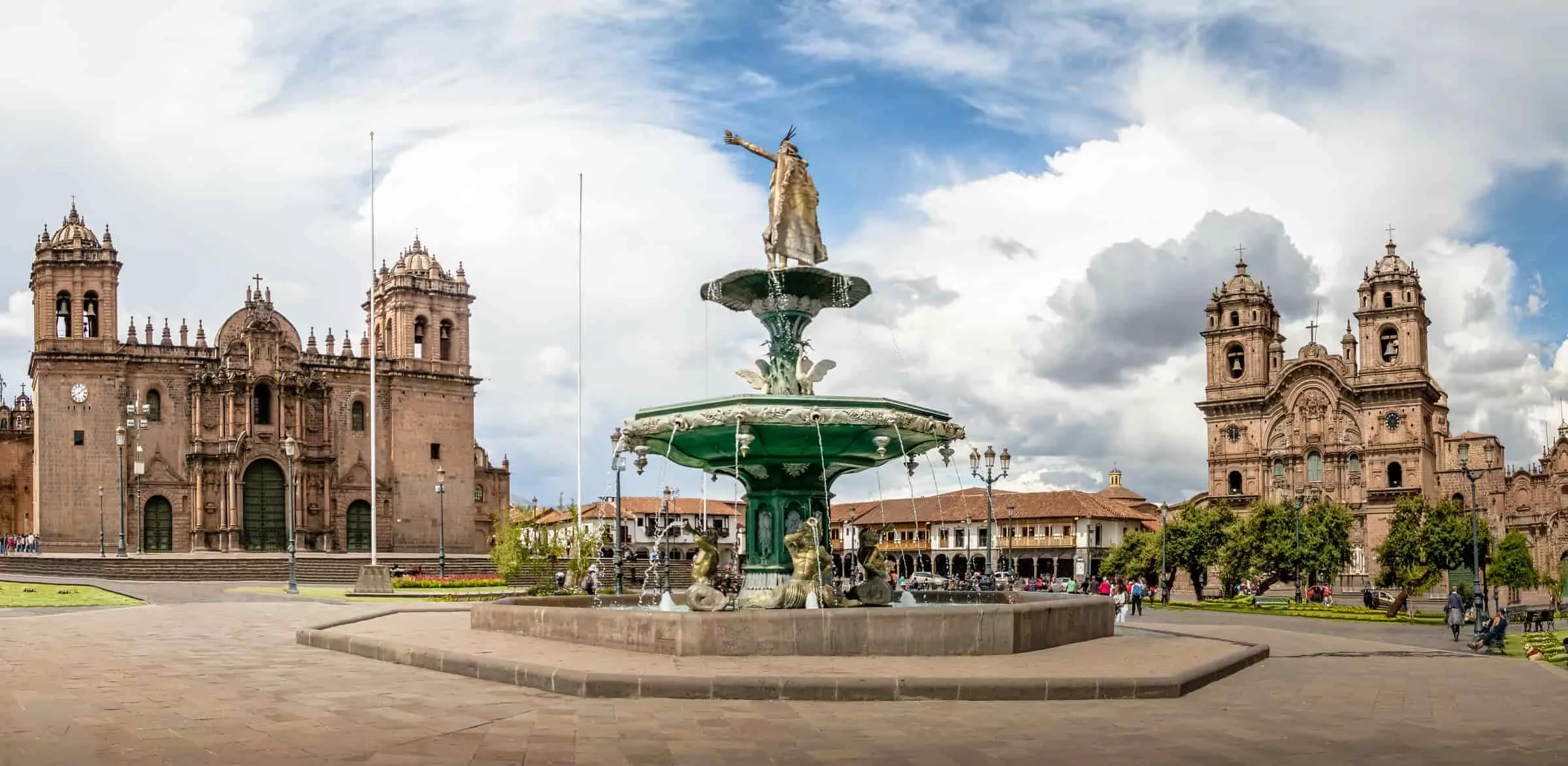
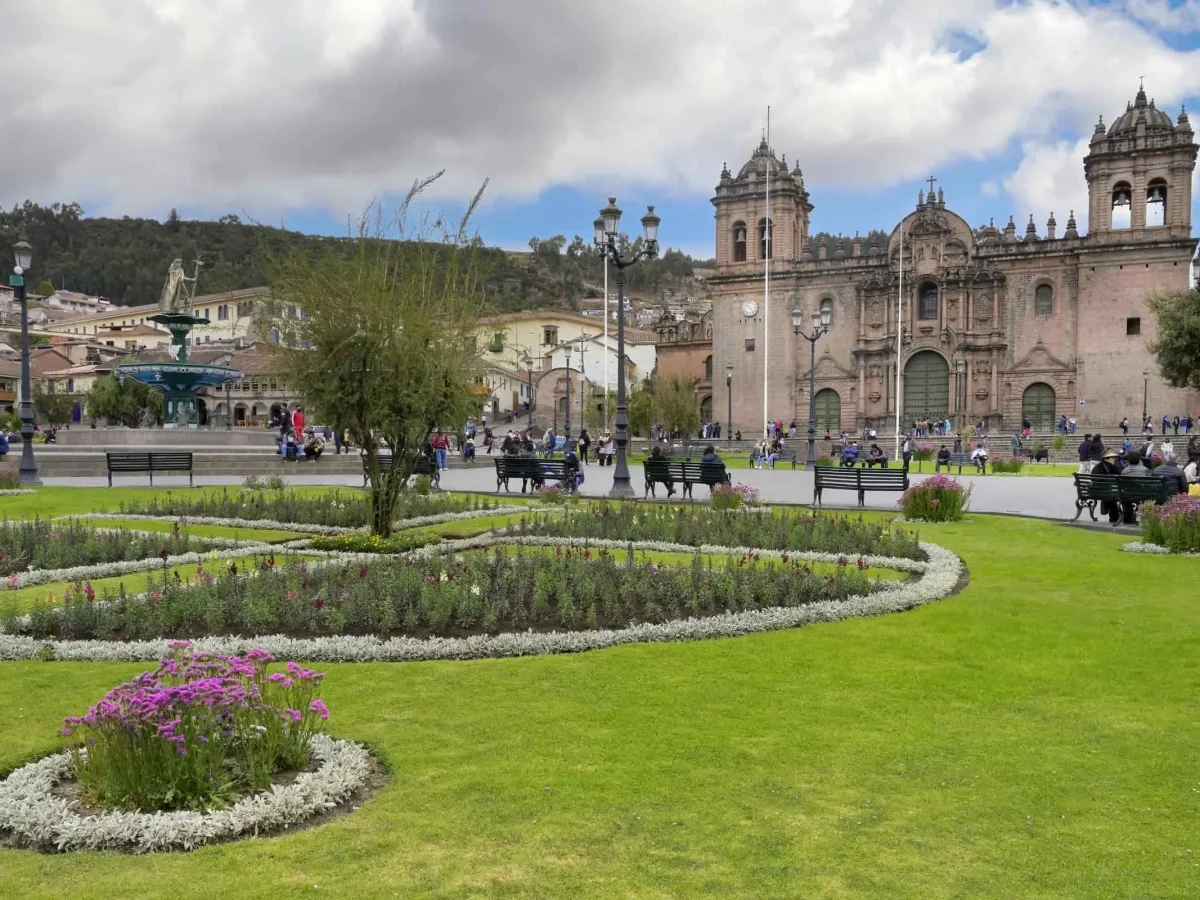
This tour begins with your hotel pick-up at the time of your choice. Our first stop will be at the Cusco Cathedral. This impressive colonial church that dates back to 1960, can be found on the central plaza de Armas of Cusco and was declared a National Heritage Site in 1972. We will then visit other important archaeological sites:
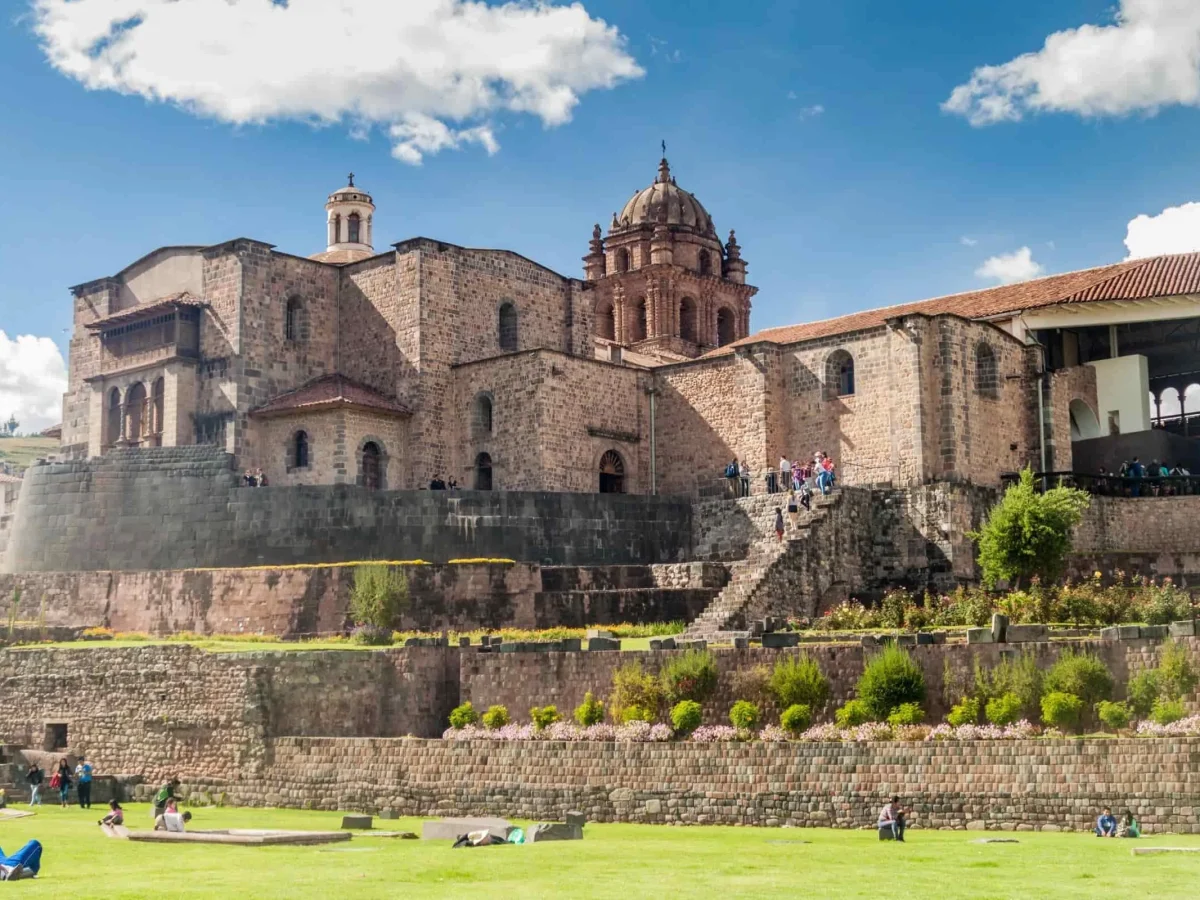
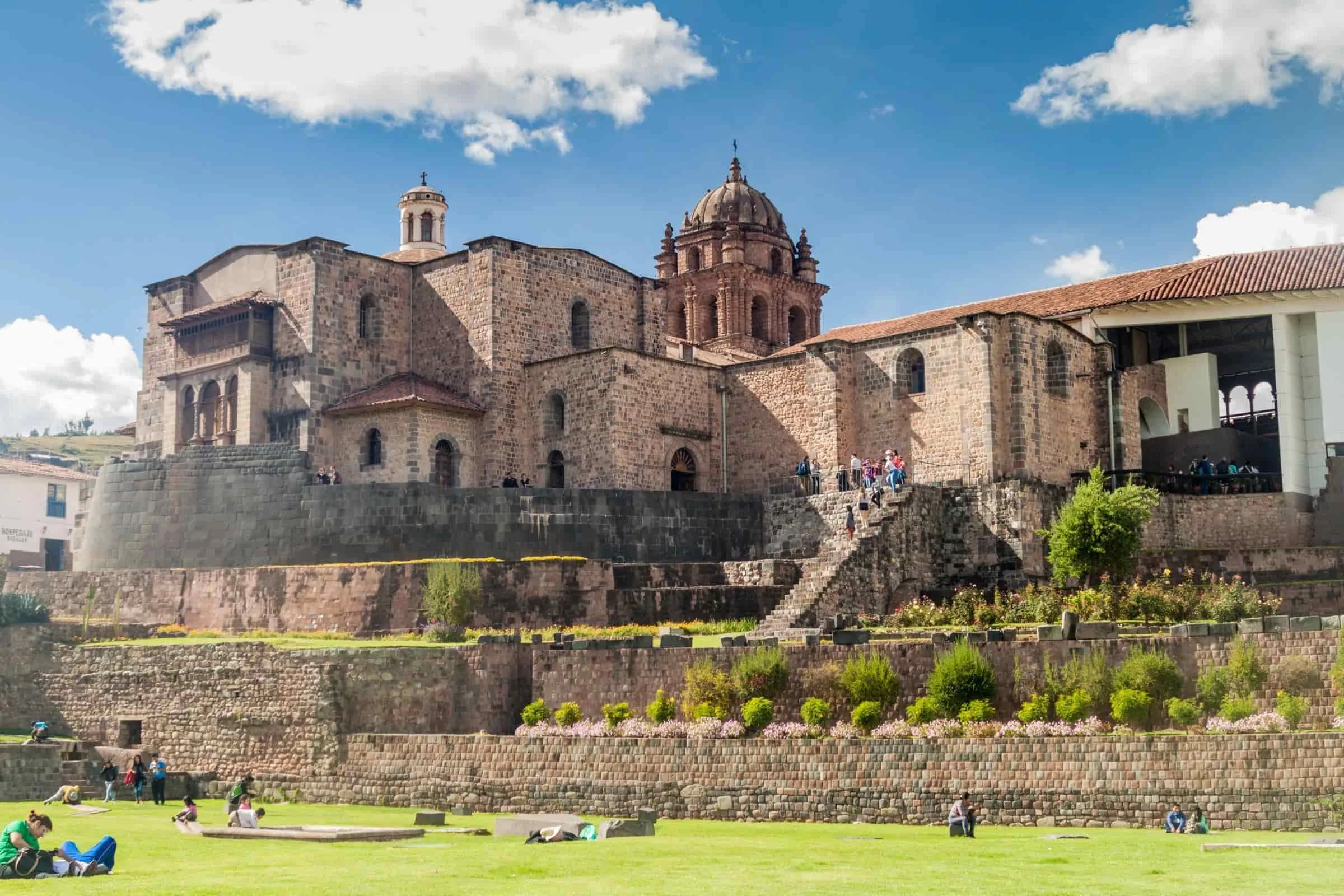
The Koricancha Temple (Santo Domingo). The “Temple of The Sun” is constructed from perfect architecture and its stone construction, reflects the fact that this was once the most important temple during the Inca period.
Sacsayhuaman. – This site was constructed buy the last dynasties of the Incas and can be found just 3 km outside of Cusco, looking over the city. According to the Spanish Chronicles, it was a solar sanctuary. This temple was constructed with massive blocks of limestone to protect the city of Cusco from attacks by invaders from the East. It is made up of three large terraces overlapping each other in the form of a zigzag y and surrounded by enormous rock walls.
Qenqo. – is found just one km from Sacsayhuaman and was a ceremonial centre with a giant monolith in the centre of the site, possibly in the form of an animal, who was the principal deity. It is surrounded by niches in the rocks, where they displayed offerings to the Gods.
PucaPucara. – This ancient resting place, was a guard post along one of the ancient Inca highways. Its construction is somewhat rustic and consists of streets, houses and patios.
Tambomachay. Can be found 9 km. from Cusco city and is also known as The Inca Baths, due to the form of its water sources. It could also have been a temple dedicated to the Water Cult and for the purpose of purification of the Inca.
ADDITIONAL INFORMATION
Share your travel preferences and a local specialist will confirm availability and prepare the best option for you.
Cusco sits high up there at about 3400 meters and this half-day city tour packs in the essentials for folks just landing in Peru. You start right in the heart of town maybe around 9 in the morning after your guide picks you up from the hotel and heads straight to spots like Qorikancha where the Inca sun temple got turned into a Spanish convent back in the day.
4It’s wild how those massive stone walls still stand after earthquakes shook everything else down and your guide will point out the trapezoid doors that supposedly flex with the quakes instead of cracking. Then you hop in the van and roll out to the outskirts hitting Sacsayhuaman first that huge fortress with stones so big you wonder how they dragged them up without machines yeah I mean some weigh more than 100 tons and fit together without mortar.
The tour keeps moving to Q’enqo with its carved rocks that look like altars for sacrifices or whatever the shamans did and Puca Pucara a red watchpost overlooking valleys. Tambomachay comes last those water channels that fed the Inca elite baths or maybe rituals who knows exactly but the spring water still flows clean. By early afternoon you’re back in Cusco puffing a bit from the altitude but feeling like you got the lay of the land without overdoing it.
This setup works great if you’re prepping for bigger treks like Machu Picchu since it eases you into the thin air and all that history hits you slow at first then bam it sinks in how this place was the navel of the Inca world. Guides speak English or Spanish depending on your group and they throw in stories from locals that make the stones feel alive not just old rocks.
Oh and don’t forget the boleto turistico you gotta buy that ahead about 130 soles for foreigners it covers all these sites otherwise you’re stuck at the gate. I did this once right after flying in and man the sun burned fierce even in the shade so slather on that sunscreen early. The tour wraps around 1:30 or so leaving you time to wander the plaza de armas for lunch or just crash if the height’s kicking your butt. It’s not some rushed scam either groups stay small up to 12 people so you actually hear the guide over the wind whistling through ruins. Cusco’s mix of Inca and colonial layers everywhere from the cathedral’s gold altars to street vendors hawking quinoa soups it all blends in this quick loop and suddenly you’re hooked wanting more but hey half day means you dip out before fatigue sets in too hard. (312 words)
Now picture this the energy shifts as you climb those steps at Sacsayhuaman and the view explodes open valleys stretching forever under that piercing blue sky and you think damn this is why people drag themselves here from across the ocean. But wait hold up the altitude sneaks up on you mid-sentence your heart pounds like you’ve run a mile just from a short walk and the guide cracks a joke about coca leaves helping out which yeah they do if you chew a bit.
Discover what fellow travelers have to say about their journeys through Peru with Yacana Peru.
Plan this tour on your first day in Cusco. It helps your body adapt and gives context for deeper exploration later.
Cusco’s highland climate swings quickly. Mornings can be chilly and afternoons warm. Always check the forecast.
April–October offers drier skies and clearer views. December–March sees more rain so pack a poncho.
Use layers—base layer, fleece, windbreaker. Remove as sun warms you then add back when shadows stretch.
Short daily walks at home help. Try stairs or hills before arrival to ease breathing at altitude.
Cusqueños blend Quechua traditions with modern city life. You’ll see weavers in markets and vendors selling herbal remedies.
Anyone with limited time in Cusco, families with teens, or travelers who want a smooth intro before tougher hikes.
Lunch isn’t included so you can pick from choices near Plaza de Armas. Try roasted chicken with cancha and a glass of fresh chicha morada. Street stalls sell empanadas and tamales; cafés serve quinoa soups and Coca leaf tea. You’ll find options for most diets.
The walking is not strenuous in terms of distance but the combination of cobblestones steep hills and high altitude makes it moderate. You will be on your feet for most of the 5 hours with breaks at each site.
Yes absolutely. You need the Cusco Tourist Ticket for Sacsayhuaman. You buy this at the COSITUC office on Avenida El Sol. Entry to Koricancha and the Cathedral are separate fees often paid on site.
It is not recommended. Your body needs time to adjust to the altitude. Doing a 5 hour tour immediately upon arrival significantly increases your chances of feeling unwell. Wait at least 24 hours.
The afternoon tour is good. The morning light is better for photos at Sacsayhuaman but the afternoon is usually less crowded with tour groups.
Yes there are paid restrooms at both Koricancha and Sacsayhuaman. It’s a good idea to have some small coins in local currency ready for this.
The tour operates rain or shine. This is why a rain jacket or poncho is on the essential packing list. The weather can change in an instant.
Yes for children over 8 who are okay with walking and listening to history. It is not a playful activity but an educational one. Very young children will likely get bored.
Besides ticket costs bring at least 50-100 soles for water snacks souvenirs and restroom fees. Better to have too much than not enough.
The tour itself is structured with little free time. It concludes in the Plaza de Armas where you will have plenty of time afterward to explore the shops and markets on your own.
Most people are stunned by the size of the stones at Sacsayhuaman. The sheer scale of how they were moved and fitted together is the highlight.
Yes the guide focuses heavily on the Inca history construction techniques and culture at Koricancha and Sacsayhuaman. The cathedral portion explains the Spanish colonial period.
Photography is strictly prohibited inside the Cathedral. It is usually allowed inside Koricancha and always allowed at Sacsayhuaman. Always check for signs.
It is a famous stone in an Inca wall on a street near the main plaza. It is noted for its perfect fit with all twelve of its surrounding stones. The tour will point it out.
Drink lots of water avoid heavy meals and alcohol before the tour. Move at a slower pace than you normally would. Coca tea helps some people with mild symptoms.
Reputable tour companies provide fully bilingual guides. Their English is typically very good sometimes excellent. They can explain complex history clearly.
Experience the heartbeat of the ancient Inca capital in just half a day.
The impressive, natural history of Cusco lives in its streets, plazas and traditional villages. In Choquequirao, Saqsayhuamán, Qenqo, PucaPucara, Tambomachay, Ollantaytambo and Machu Picchu, you can see incredible destinations and spectacular engineering feats in these Inca archaeologica sites. This Inca city was constructed using the ancient knowledge of Peru, in an ecologically natural environment. The Inca´s legacy is still alive today on the Cusco streets with intricate Inca stonework forming the foundations of many colonial buildings. Cusco truly is the birthplace of the world.
Location: The Andean Cordillera of South Peru.
Area: 72,104 km2.
This tour begins with your hotel pick-up at the time of your choice. Our first stop will be at the Cusco Cathedral. This impressive colonial church that dates back to 1960, can be found on the central plaza de Armas of Cusco and was declared a National Heritage Site in 1972. We will then visit other important archaeological sites:
The Koricancha Temple (Santo Domingo). The “Temple of The Sun” is constructed from perfect architecture and its stone construction, reflects the fact that this was once the most important temple during the Inca period.
Sacsayhuaman. – This site was constructed buy the last dynasties of the Incas and can be found just 3 km outside of Cusco, looking over the city. According to the Spanish Chronicles, it was a solar sanctuary. This temple was constructed with massive blocks of limestone to protect the city of Cusco from attacks by invaders from the East. It is made up of three large terraces overlapping each other in the form of a zigzag y and surrounded by enormous rock walls.
Qenqo. – is found just one km from Sacsayhuaman and was a ceremonial centre with a giant monolith in the centre of the site, possibly in the form of an animal, who was the principal deity. It is surrounded by niches in the rocks, where they displayed offerings to the Gods.
PucaPucara. – This ancient resting place, was a guard post along one of the ancient Inca highways. Its construction is somewhat rustic and consists of streets, houses and patios.
Tambomachay. Can be found 9 km. from Cusco city and is also known as The Inca Baths, due to the form of its water sources. It could also have been a temple dedicated to the Water Cult and for the purpose of purification of the Inca.
ADDITIONAL INFORMATION
Travelers to Peru require a passport valid for at least 6 months from entry. Most nationalities (USA, Canada, EU, UK, Australia, Brazil) do not require a tourist visa for stays up to 90 days. Comprehensive travel insurance covering high altitude is strongly recommended.
Hotel nights feature comfortable 3-star boutique hotels in private en-suite rooms. On mountain treks, we provide premium 4-season Eureka tents (2 persons in a 4-person tent), foam sleeping mattresses, spacious dining tents with tables and chairs, and clean portable toilet facilities.
Your tour begins in Cusco, Peru. We include airport arrival transfer to your hotel. An informative briefing with your professional trekking guide takes place at your Cusco hotel at 6:00 PM the evening before your tour begins.
We had great tours with them! Rosa Guide very good and with a lot of information!
We had an incredible experience with the tours! Everything was very well organized, from the schedules to the support during the trips. The guides were very attentive, helpful, and gave us a lot of interesting...
A wonderful experience, very punctual, capricious, service at all times, no doubt was the best choice, me and my friends felt very safe.
The Yacana was our best choice of trip. Always inquisitive and ready to serve us. Super we indicate!