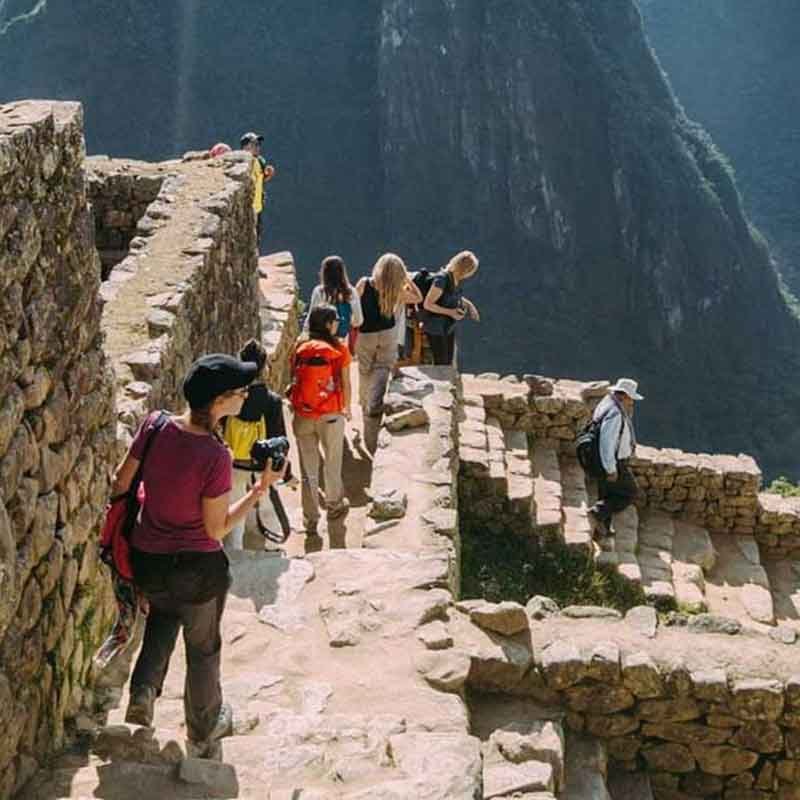
“Various tours – city tour, Machu Picchu, Pisac, llama farm, San Blas”
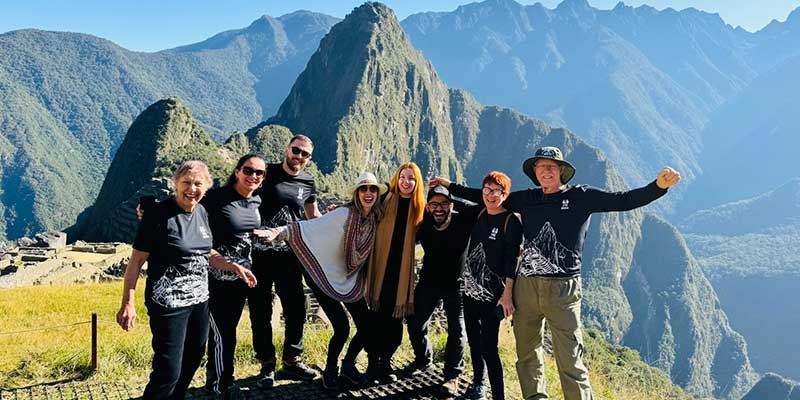
We had great tours with them! Rosa Guide very good and with a lot of information!
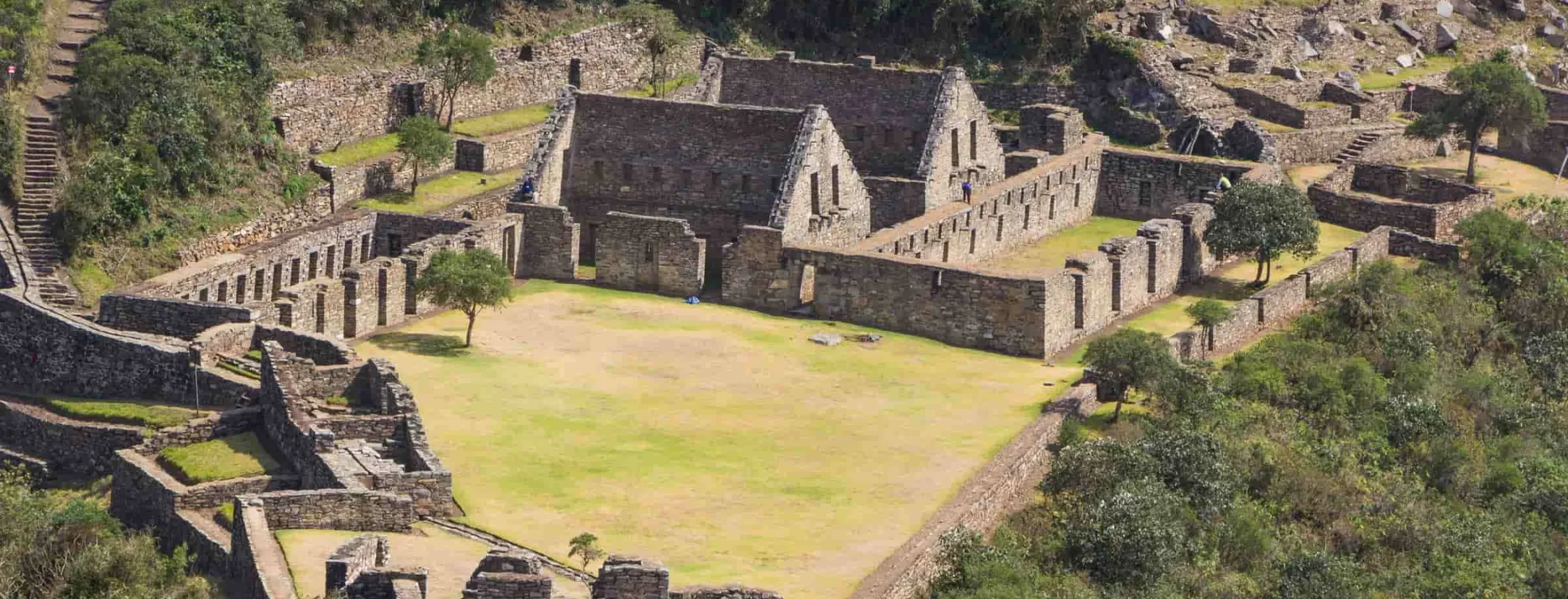
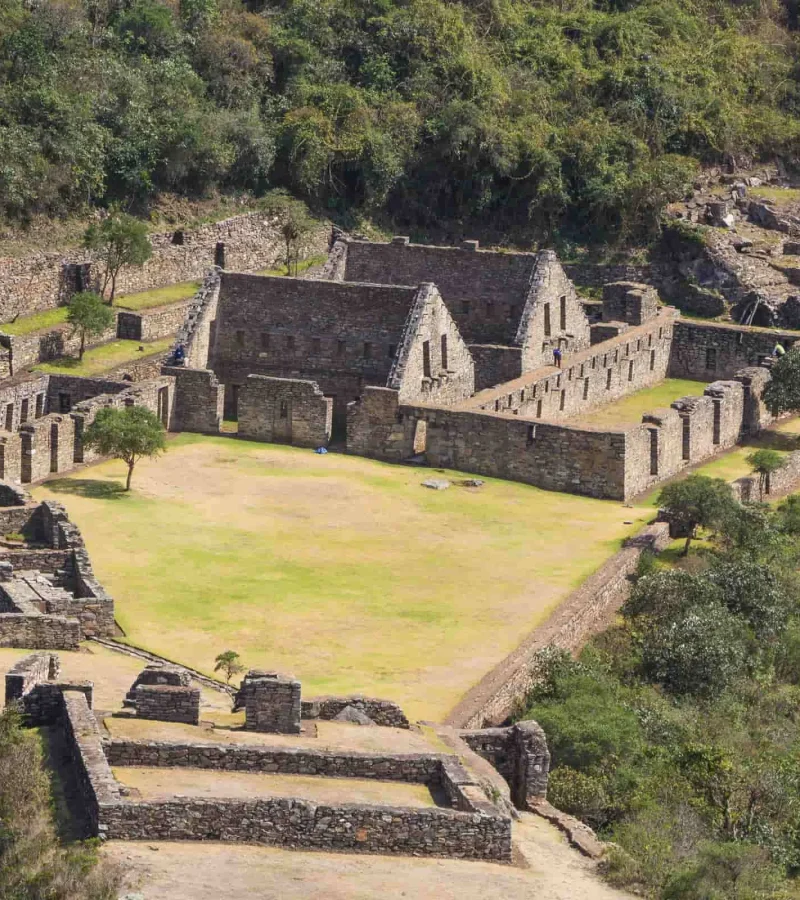
The Choquequirao trek begins in Capuliyoc (9,200 ft / 2,804 m) and ascends toward the archaeological site of Choquequirao (10,100 ft / 3,080 m), located deep in the Vilcabamba mountain range. Unlike the crowded Inca Trail, this route offers solitude, steep switchbacks, and expansive views of the Apurímac Canyon. The trail spans 60 km round-trip, typically completed in four to five days.
Trekkers descend nearly 1,500 m to the river before climbing again to the ruins. Campsites are basic, with tent platforms and limited water access. Muleteers carry gear, while guides manage logistics and altitude pacing. The site itself covers over 1,800 hectares, with terraces, ritual platforms, and partially excavated structures.
Weather varies: dry season (May–September) offers clear skies and cold nights, while wet season brings heavy rain and slippery trails. Temperatures range from 5 °C at night to 25 °C during the day.
This trek demands physical endurance and mental focus. It’s not a casual hike—it’s a high-altitude challenge with archaeological reward. For those seeking a quieter alternative to Machu Picchu, Choquequirao delivers technical terrain, cultural depth, and panoramic immersion.

Thoughtfully timed departures and exclusive routing to experience major landmarks in peaceful serenity.
Passionate English-speaking Peruvian natives certified in wilderness first aid and Quechua heritage.
Tailored itineraries customized to your dates, fitness level, preferred pace, and comfort style.
At Yacana Peru, we are a 100% local tour operator dedicated to responsible and sustainable tourism, offering unique trekking and cultural experiences across the Andes, Altiplano, and Amazon. Read real traveler feedback from our guests.
Explore our latest articles filled with packing guides, cultural history, and photography tips.
Safety on the Choquequirao trek begins with altitude awareness. Starting at 9,200 ft / 2,804 m, trekkers descend and ascend rapidly, increasing risk of acute mountain sickness. Guides carry acetazolamide and monitor oxygen levels.
Trail hazards include loose rocks, steep drop-offs, and sudden weather changes. Rain can cause landslides, especially near the river. Trekking poles and proper footwear reduce injury risk.
Wildlife includes snakes, scorpions, and biting insects. Insect repellent and long sleeves help. Campsites are safe but remote—emergency evacuation requires mule transport to Capuliyoc, then vehicle to Cusco.
Weather shifts quickly. Dry season offers stable conditions, but nights drop below 5 °C. Wet season brings heavy rain and trail erosion.
Guides carry radios and satellite phones. First aid kits include splints, bandages, and altitude meds.
Food safety is managed through boil-only protocols. Water is filtered or treated. Meals include rice, lentils, and local vegetables.
Preparation is key: train for endurance, pack layers, and follow guide instructions. This trek is remote, technical, and rewarding—but only with proper planning.
From seamless airport pickups to gourmet culinary trail moments, we take pride in delivering unforgettable journeys crafted with care, safety, and authenticity.
Design your travel plan from scratch, customize any published itinerary, or combine multiple destinations. Share your preferences below and our local team will respond within 24 hours.